
Comparing Hydraulic and Mechanical Flange Spreaders
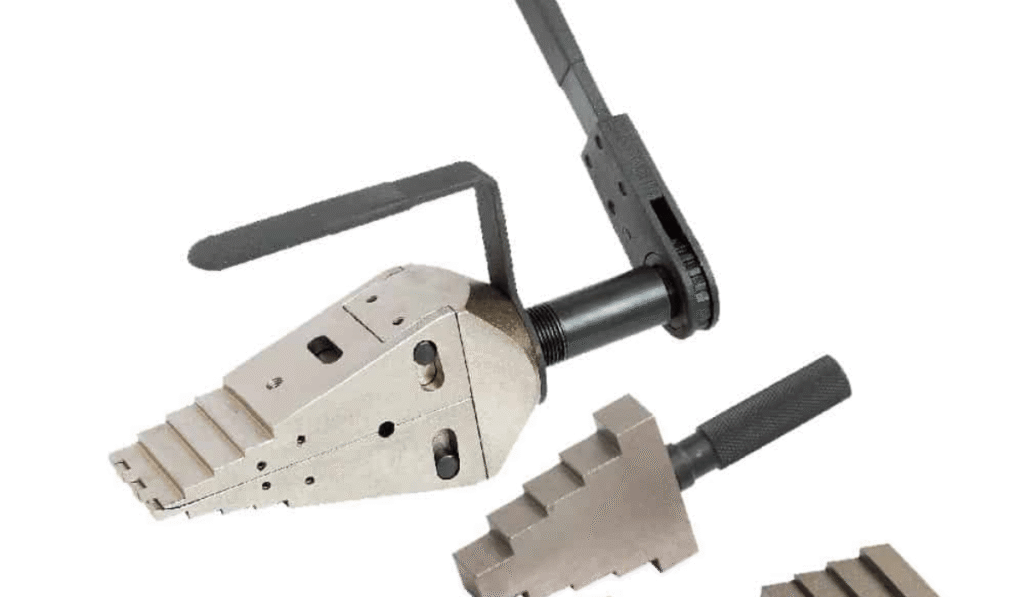
Separating flanged connections is a routine but critical step in pipe work, valve maintenance, and gasket replacement. Flange spreaders apply controlled force to separate joints safely, protecting flange faces and surrounding components. Choosing the right tool starts with understanding the differences between hydraulic vs mechanical flange spreaders.
Both types achieve the same goal but work in different ways. Hydraulic flange spreaders deliver high force with minimal effort, while mechanical options offer simple, reliable operation. The best choice depends on your project’s demands, including force requirements, space limitations, and overall working conditions.
What Are Flange Spreaders?
Flange spreaders are specialized tools used to safely separate flanged pipe connections. They apply controlled force to gradually open the flange faces, allowing technicians to replace gaskets, inspect sealing surfaces, or service valves and other components.
Precise control is essential to prevent damage to the flange faces, which could affect future sealing. Different flange connections require different approaches, so choosing the right tool is key for safe and effective maintenance.
Hydraulic Flange Spreaders: How Do They Work?
Hydraulic flange spreaders use pressurized fluid to create the spreading force. The system includes a hydraulic cylinder, spreader wedge, and pump that work together to separate flanges safely and efficiently.
Hydraulic systems offer several advantages:
- High force output – They generate substantial force in a compact design.
- Precise control – Operators can adjust the spreading force incrementally.
- Consistent pressure – The system maintains a steady force throughout the process.
- Reduced fatigue – The pump does the work, reducing physical effort.
These spreaders excel in tasks that require high force or long operating periods. Their precise, controlled operation also makes them ideal for delicate jobs where careful force application is critical.
Mechanical Flange Spreaders: What Makes Them Different?
Mechanical flange spreaders use threaded mechanisms, levers, or wedges to create spreading force. They convert the operator’s input into a higher output force through simple mechanical principles.
Key features of mechanical systems include:
- Self-contained operation – No power source or hydraulic fluid needed.
- Immediate readiness – Tools are ready to use without setup or warm-up.
- Simple maintenance – Fewer components make upkeep easier.
- Portable design – Generally lighter and more compact than hydraulic options.
These spreaders are ideal for smaller pipe systems, routine maintenance, and situations where portability and simplicity matter most.
Key Differences Between Hydraulic and Mechanical Options
Choosing between hydraulic and mechanical flange spreaders depends on your application, force requirements, and operational preferences. The following points highlight the main differences to help guide your selection.
Force Generation Capacity
Hydraulic flange spreaders deliver higher spreading forces than mechanical options. This makes them suitable for larger pipe flanges or applications with heavily torqued bolts. Mechanical spreaders provide enough force for many common tasks but may struggle with large flanges or high-preload connections.
Speed and Efficiency
Hydraulic systems often complete separations faster, especially on bigger flanges. Continuous force application reduces the need for repeated adjustments. Mechanical spreaders can take longer for large separations due to multiple adjustments and the physical effort required.
Setup and Operation Requirements
Hydraulic spreaders need initial setup, including connecting and pressurizing the system. Operators also require training on safe hydraulic operation. Mechanical spreaders are ready to use immediately. Their simple design makes them easy for technicians with varying experience levels.
Maintenance Considerations
Hydraulic systems need regular fluid changes, seal checks, and pressure testing. Their complexity requires more comprehensive maintenance. Mechanical spreaders generally require only basic lubrication and wear inspections, making upkeep simpler and less frequent.
Which Type of Flange Spreader Should You Choose?
Different flange spreaders excel in different scenarios. Your choice should match the pipe size, required force, and work environment to ensure safe and efficient operations.
Choose Hydraulic When:
- Working with large-diameter pipes (6 inches and above)
- High spreading forces are required
- Multiple separations are needed in one session
- Precise force control is critical
- Operator fatigue is a concern during extended work
Choose Mechanical When:
- Working with smaller pipe systems
- Portability is essential
- Immediate tool availability is needed
- Simple maintenance is preferred
- Budget constraints favor a lower initial investment
Common Applications for Both Types
Both hydraulic and mechanical flange spreaders find use across various industries and applications:
Pipeline Maintenance
Pipeline systems need regular gasket replacement and valve servicing. Hydraulic or mechanical spreaders are selected based on pipe diameter and pressure ratings.
Petrochemical Facilities
Refineries and chemical plants use both types of spreaders. Large process lines usually require hydraulic systems, while smaller utility lines can use mechanical alternatives.
Power Generation
Power plants employ flange spreaders for steam lines, cooling systems, and auxiliary equipment. High-pressure systems often make hydraulic spreaders the preferred choice.
Manufacturing Operations
Manufacturing facilities rely on flange spreaders for routine maintenance of process piping. The decision between hydraulic and mechanical depends on pipe size and how frequently maintenance is needed.
Safety and Best Practices
Regardless of the type chosen, proper safety procedures are essential when using flange spreaders:
- Always verify system depressurization before beginning work
- Inspect flange spreader components before each use
- Follow manufacturer recommendations for maximum spreading distances
- Use appropriate personal protective equipment
- Never exceed tool capacity ratings
- Ensure proper wedge positioning to avoid flange damage
Flange Spreader Solutions for Every Job
Choosing between hydraulic and mechanical flange spreaders depends on your application, working conditions, and operational needs. Hydraulic systems deliver higher force and greater efficiency for demanding tasks. Mechanical spreaders offer simplicity and portability, making them ideal for routine maintenance.
Understanding these differences helps maintenance teams select the right tool for each job, ensuring safe and efficient flange separation.
Professional Flange Spreaders at ALLTORC
ALLTORC offers high-quality flange spreaders for professional industrial use. Whether you need tools for routine pipe work or more challenging industrial applications, our team can help you choose the right flange spreader. Contact us to explore our full range and discover how our solutions can streamline your maintenance operations.