
Hydraulic Nut Splitters: Essential Tool for Bolt Removal
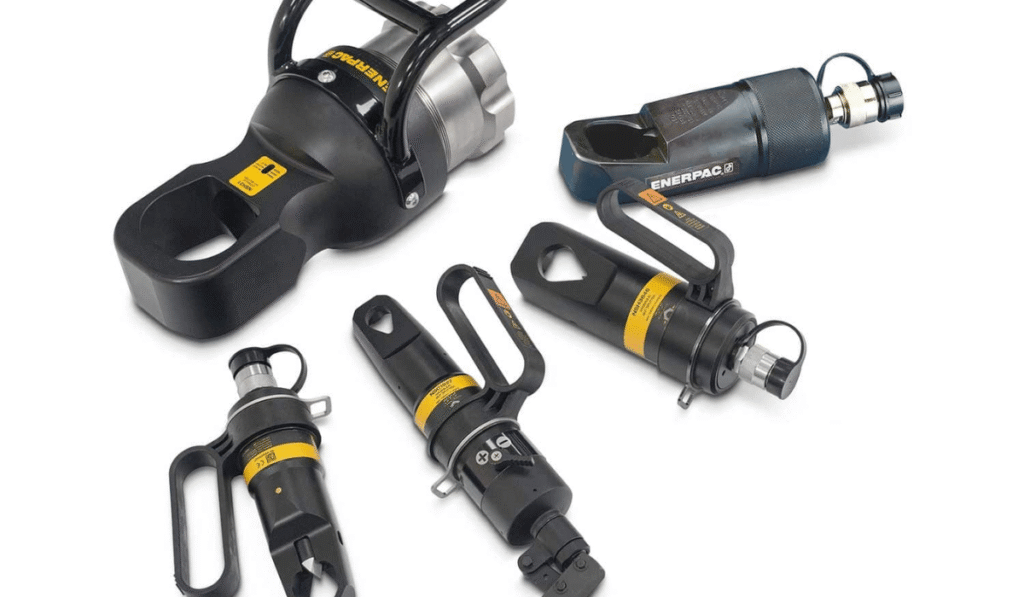
Removing corroded, damaged, or seized nuts is a common challenge in industrial maintenance. Traditional methods often fail, leaving technicians searching for a faster, safer solution. Hydraulic nut splitters deliver precise, controlled force to tackle even the toughest nuts without damaging surrounding equipment.
These tools are now essential across a wide range of industries. From manufacturing plants to petrochemical facilities, professionals use hydraulic nut splitter applications to remove stubborn bolts efficiently, reduce downtime, and avoid costly equipment replacement.
What Are Hydraulic Nut Splitters?
A hydraulic nut splitter is a specialized cutter designed to remove nuts by cutting through their threads. It works by positioning a sharp blade against the nut and applying hydraulic pressure to make a clean, controlled split. This method removes the nut without damaging the bolt or stud underneath.
The hydraulic system delivers a consistent force that manual tools cannot match. This precision turns what could be hours of frustrating work into a quick, efficient maintenance task.
Core Components
Every hydraulic nut splitter consists of several key parts:
- A hydraulic cylinder that generates the splitting force
- A cutting blade that creates a precise cut through the nut
- Positioning arms that secure the tool around the nut
- A hydraulic pump that powers the entire system
Key Applications of Hydraulic Nut Splitters
The versatility of hydraulic nut splitters makes them valuable across numerous industrial applications. Understanding where these tools excel helps maintenance teams choose the right equipment for each situation.
Industrial Maintenance Operations
Manufacturing facilities rely on hydraulic nut splitter applications for routine maintenance. Seized or corroded fasteners often resist conventional removal methods. The controlled splitting action removes nuts without damaging expensive machinery.
These tools also save time. While traditional methods may require hours of heating, penetrating oil, and manual effort, a hydraulic nut splitter can complete the job in minutes.
Flange Maintenance and Repair
Flange connections in piping systems often present tough removal challenges. High temperatures, chemical exposure, and years of service can make nuts virtually welded to studs. Hydraulic nut splitter applications provide a clean, safe solution that protects the flange and the stud threads.
Heavy-Duty Construction and Mining
Construction and mining expose fasteners to dirt, moisture, and constant vibration, creating seized connections. Heavy-duty hydraulic nut splitters handle these conditions with ease.
Built for harsh environments, these tools deliver reliable performance even in dusty, wet, or extreme-temperature conditions. They make tough maintenance tasks safer and faster.
How Do Hydraulic Nut Splitters Work?
The hydraulic nut splitter is positioned around the target nut, with the cutting blade aligned to the threads and the positioning arms providing stable support.
Hydraulic pressure gradually drives the blade through the nut. This controlled force creates a clean split without shock loading, protecting surrounding components. Most cuts take 30–60 seconds, depending on nut size and material hardness.
The Cutting Process
Blade design is key to performance. Sharp, angled blades slice through nuts efficiently while minimizing required force. Different blade types suit different nut sizes and materials.
High-quality hydraulic nut splitters maintain consistent cutting force throughout the operation. This prevents binding and irregular cuts, ensuring smooth, reliable nut removal every time.
Advantages Over Traditional Methods
Comparing hydraulic nut splitter applications to traditional removal methods reveals significant advantages:
- Speed – Complete cuts in minutes versus hours of manual work.
- Safety – Controlled operation reduces injury risk from slipping tools.
- Precision – Clean cuts preserve bolt and stud threads.
- Reliability – Consistent performance regardless of nut condition.
- Versatility – Handle multiple nut sizes with blade changes.
Traditional methods often involve heating, chemical penetrants, or impact tools that can damage surrounding components. The controlled nature of hydraulic splitting eliminates these risks while delivering superior results.
Choosing the Right Hydraulic Nut Splitter
Selecting the right hydraulic nut splitter means weighing up several factors. The range of nut sizes in your operations determines the tool capacity needed. Different industries usually work with specific size ranges, making this assessment straightforward.
Nut Sizes and Capacity Considerations
Most hydraulic nut splitters handle a defined range of nut sizes. Smaller units work efficiently on nuts from ½ inch to 2 inches, while heavy-duty models handle sizes up to 6 inches or more. Matching tool capacity to your typical applications ensures optimal performance and prevents overloading.
Plan for current and future needs. Choosing a slightly larger capacity than immediately required adds flexibility without a significant cost increase.
Blade Selection and Maintenance
Blade quality directly affects cutting performance and tool longevity. High-quality steel blades stay sharp longer and resist chipping under heavy loads. Replaceable blade systems make maintenance easy and allow adaptation to different materials.
Different blade types suit specific applications:
- Standard blades – General-purpose cutting for most nuts.
- Heavy-duty blades – Reinforced for hardened materials.
- Specialized profiles – Custom angles for unique applications.
Best Practices for Safe Operation
Safety is essential when using hydraulic nut splitter applications. Operators should be properly trained to understand the capabilities and limits of their equipment. Always wear personal protective gear, including safety glasses and gloves.
Before each use, inspect the tool carefully. Check hydraulic connections, blade condition, and the positioning mechanism. Any damaged or worn components can compromise safety and performance, so replace them promptly to ensure reliable operation.
Operating Environment Considerations
When using hydraulic nut splitters, always account for the working environment. Good lighting and stable surfaces help with accurate positioning, clean cuts, and operator safety. In sensitive areas, plan for hydraulic fluid containment. While modern systems limit leaks, keeping absorbent materials nearby shows proper environmental care.
Redefining Bolt Removal Practices
Hydraulic nut splitter applications have changed the way industries approach bolt removal. These tools provide fast, safe, and reliable solutions for even the toughest seized fasteners. With hydraulic power and precise cutting, they deliver results that traditional methods can’t match.
Investing in quality hydraulic nut splitters saves maintenance time, improves safety, and protects valuable equipment. When faced with a difficult bolt, hydraulic splitting turns a challenging job into a routine task.
ALLTORC’s Hydraulic Nut Splitter Solutions
ALLTORC supplies professional-grade hydraulic nut splitters designed for demanding industrial use. Our tools perform reliably across industries. Each unit is rigorously tested for consistent results and long service life. Contact us to learn more about our hydraulic nut splitter solutions and see how they can improve your maintenance operations.